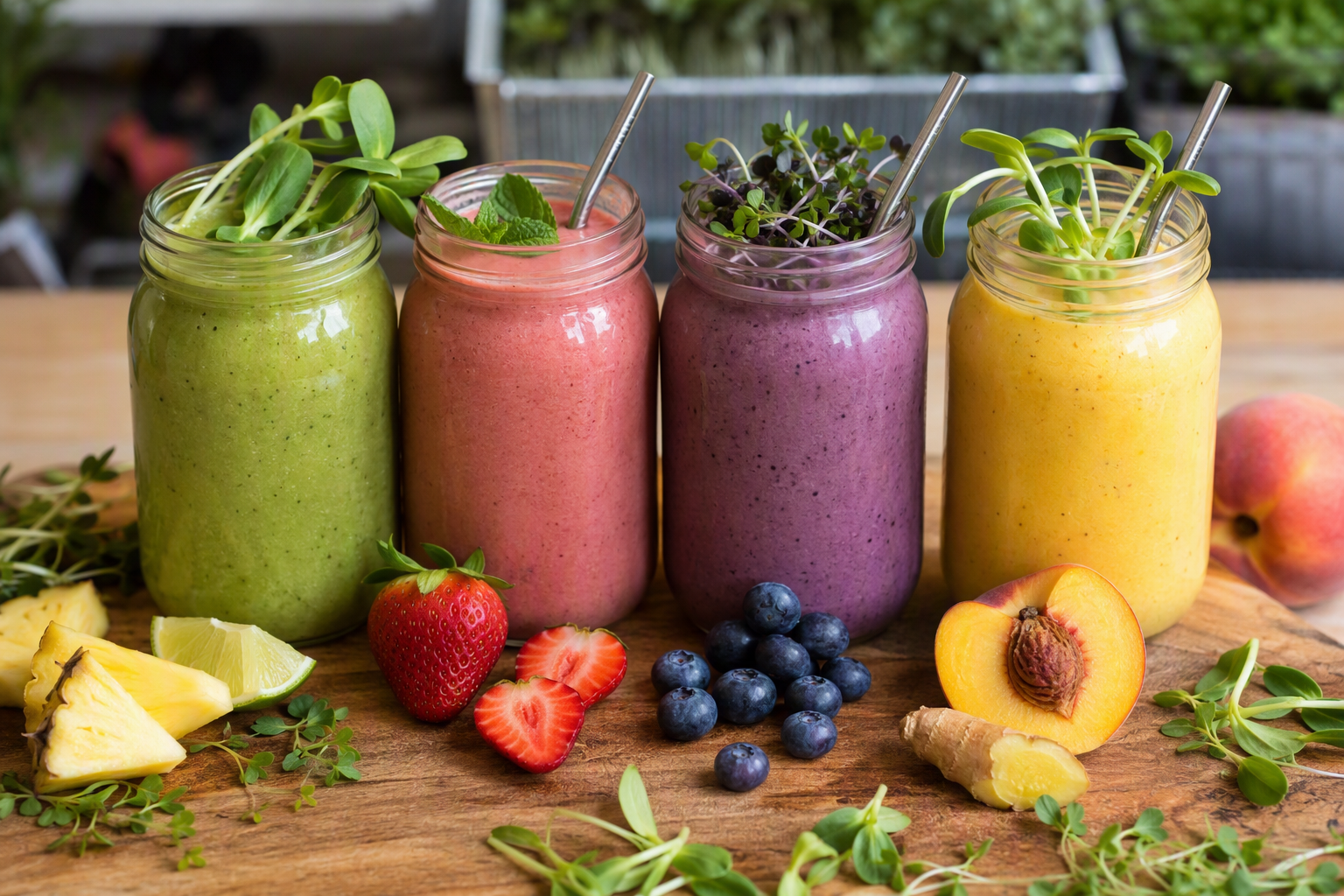
Microgreen Smoothie Recipes You Will Actually Want to Drink. (Including Chocolate!)
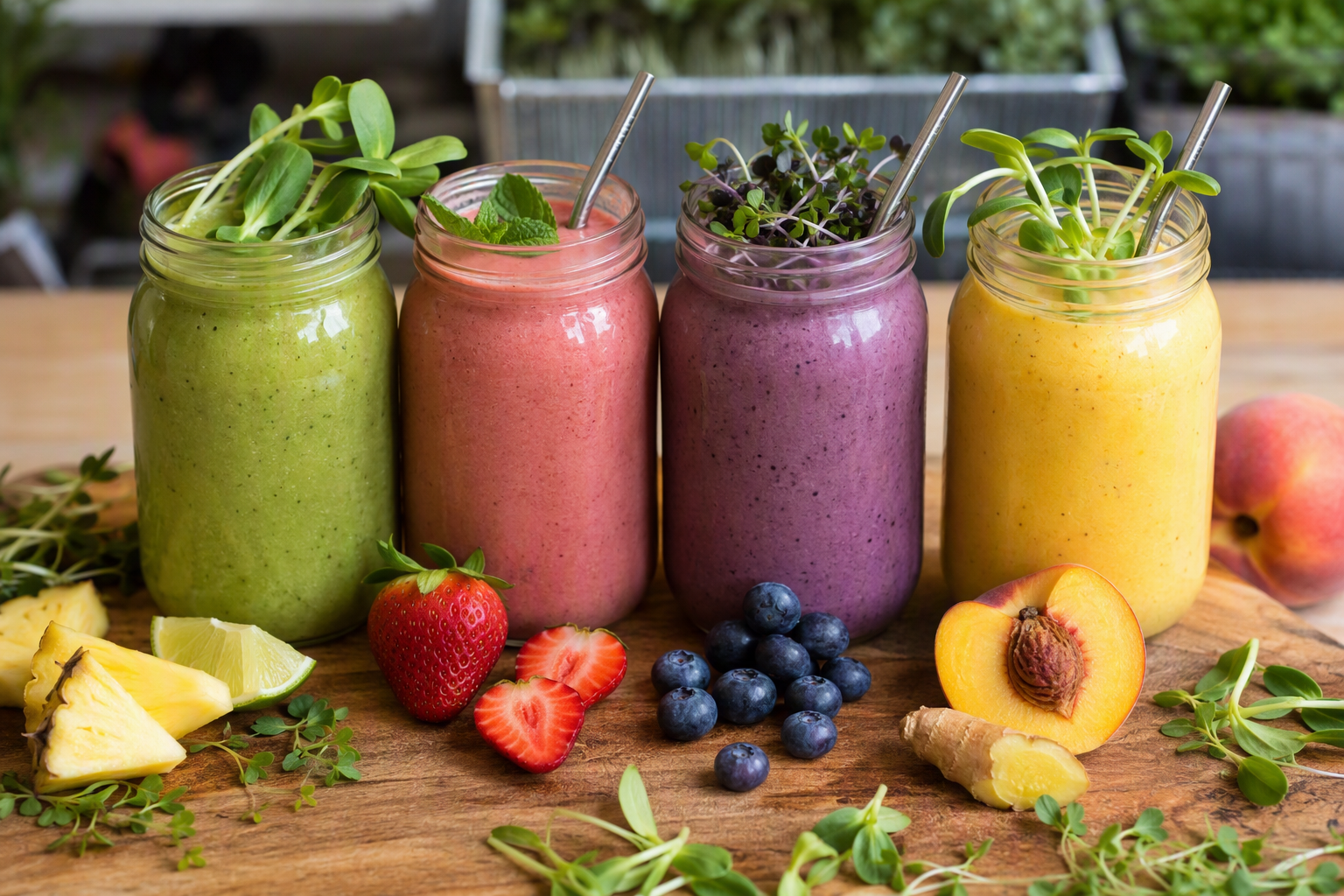
Microgreen Smoothie Recipes You'll Actually Want to Drink
There is something undeniably satisfying about growing your own food and then turning it into something both delicious and genuinely nourishing. Microgreens have become increasingly popular in recent years, and for good reason. These tiny plants may be small in size, but they are packed with flavor, color, and nutrients. While many people sprinkle them on sandwiches, salads, and soups, one of the easiest and most enjoyable ways to incorporate microgreens into your daily routine is through smoothies.
If the idea of putting greens into your morning smoothie makes you nervous, you're not alone. Many people imagine a bitter, grassy drink that tastes more like a lawn than breakfast. The good news is that most microgreens are surprisingly mild and blend beautifully with fruits, vegetables, and other smoothie ingredients. When used correctly, they can add a nutritional boost without overpowering the flavors you already love.
Whether you are growing your own sunflower shoots, pea shoots, broccoli microgreens, or spicy radish greens, there is likely a smoothie recipe that will showcase their unique flavor while helping you get more fresh greens into your diet.
Why Add Microgreens to Smoothies?
Traditional smoothies often rely on spinach or kale as their leafy green component. While those vegetables certainly have their place, microgreens provide an opportunity to diversify both flavor and nutrition.
Because microgreens are harvested at a young stage of growth, they tend to have concentrated flavors and vibrant colors. Some varieties are sweet and delicate, while others offer peppery or earthy notes. They blend easily and can often be added fresh without significantly changing the texture of your smoothie.
Another advantage is freshness. If you grow microgreens at home, you can harvest them moments before blending. It doesn't get much fresher than that.
When adding microgreens to smoothies, a little goes a long way. Start with a small handful and increase the quantity as your taste preferences evolve.
Sunshine Pea Shoot Smoothie
Pea shoots have a naturally sweet flavor that pairs exceptionally well with tropical fruits. If you're new to microgreen smoothies, this is an excellent place to start.
Ingredients
1 cup fresh pea shoots
1 frozen banana
1 cup pineapple chunks
1/2 mango
1 cup coconut water
Juice of half a lime
Directions
Blend until smooth and creamy.
The sweetness of the pineapple and mango completely balances the fresh green flavor of the pea shoots. The result feels more like a tropical vacation than a health drink.
Sunflower Berry Bliss Smoothie
Sunflower microgreens have a pleasant nutty flavor that works beautifully with berries. This smoothie feels rich and satisfying while remaining light and refreshing.
Ingredients
1 cup sunflower microgreens
1 cup mixed berries
1 frozen banana
1 cup unsweetened almond milk
1 tablespoon chia seeds
Optional drizzle of honey
Directions
Blend all ingredients until smooth.
This recipe is particularly good for people who enjoy berry smoothies but want to add more greens without changing the flavor profile dramatically.
Strawberry Watermelon Radish Cooler
Radish microgreens are known for their peppery kick. While that might sound unusual in a smoothie, the spice complements sweet fruits surprisingly well.
Ingredients
1/2 cup radish microgreens
2 cups watermelon
1 cup strawberries
Juice of one lime
A few fresh mint leaves
Ice as desired
Directions
Blend until chilled and smooth.
The sweetness of watermelon and strawberries softens the natural zing of the radish greens, creating a refreshing summer drink with a little personality.
Broccoli Microgreen Green Machine
Broccoli microgreens have a mild earthy flavor that works exceptionally well in classic green smoothies.
Ingredients
1 cup broccoli microgreens
1 green apple
1 frozen banana
1/2 cucumber
1 cup water
Juice of half a lemon
Directions
Blend until smooth.
This smoothie is crisp, refreshing, and perfect for anyone looking to increase their daily intake of fresh greens.
Creamy Avocado Microgreen Smoothie
Sometimes you want a smoothie that feels substantial enough to serve as breakfast. The avocado in this recipe creates an incredibly creamy texture.
Ingredients
1 cup sunflower or pea shoots
1/2 avocado
1 frozen banana
1 cup almond milk
1 tablespoon hemp hearts
Cinnamon to taste
Directions
Blend until silky smooth.
This smoothie provides a balance of healthy fats, plant-based protein, and fresh greens, making it a satisfying way to start your day.
The Chocolate Microgreen Smoothie
Yes, chocolate and microgreens can absolutely coexist.
This recipe is perfect for those days when you're craving something indulgent but still want to sneak in a serving of greens.
Ingredients
1 cup sunflower microgreens
1 frozen banana
1 tablespoon cocoa powder
1 tablespoon peanut butter
1 cup oat milk
Optional date for added sweetness
Directions
Blend until rich and creamy.
The chocolate and peanut butter flavors take center stage while the microgreens quietly contribute nutrition and freshness in the background.
Peach Sunrise Smoothie
This recipe showcases the subtle sweetness of pea shoots while capturing everything people love about summer peaches.
Ingredients
1 cup pea shoots
2 peaches
1 frozen banana
1 cup orange juice
Small piece of fresh ginger
Directions
Blend thoroughly until smooth.
The ginger adds a gentle warmth that complements both the peaches and the fresh greens.
Building Your Own Microgreen Smoothie
One of the best things about smoothies is their flexibility. Once you understand a few basic principles, you can create endless combinations using whatever microgreens you happen to have available.
As a general rule:
Mild microgreens, such as pea shoots and sunflower shoots, pair well with nearly any fruit.
Earthy microgreens, such as broccoli, kale, or cabbage varieties, work nicely with apples, cucumbers, citrus, and tropical fruits.
Spicy microgreens, such as radish or mustard, are best balanced with sweeter fruits like watermelon, pineapple, mango, or strawberries.
A simple formula for creating a smoothie is:
1 cup microgreens
1 to 2 cups fruit
1 liquid of choice
Optional healthy fat or protein source
The combinations are practically endless.
A Fresh Way to Enjoy Your Harvest
One of the joys of growing microgreens is discovering new ways to enjoy them beyond the salad bowl. Smoothies provide a convenient and delicious option that fits easily into busy schedules while showcasing the incredible versatility of these tiny plants.
Whether you're harvesting trays in your kitchen, growing year-round in a greenhouse, or purchasing fresh local microgreens from a market, smoothies are an easy way to make the most of every harvest.
You do not need complicated ingredients or expensive supplements. Sometimes all it takes is a handful of freshly cut microgreens, a few pieces of fruit, and a blender to create something that tastes wonderful and helps you feel connected to the food you're growing.
For many people, that simple connection is what gardening, growing, and fresh food are really all about.
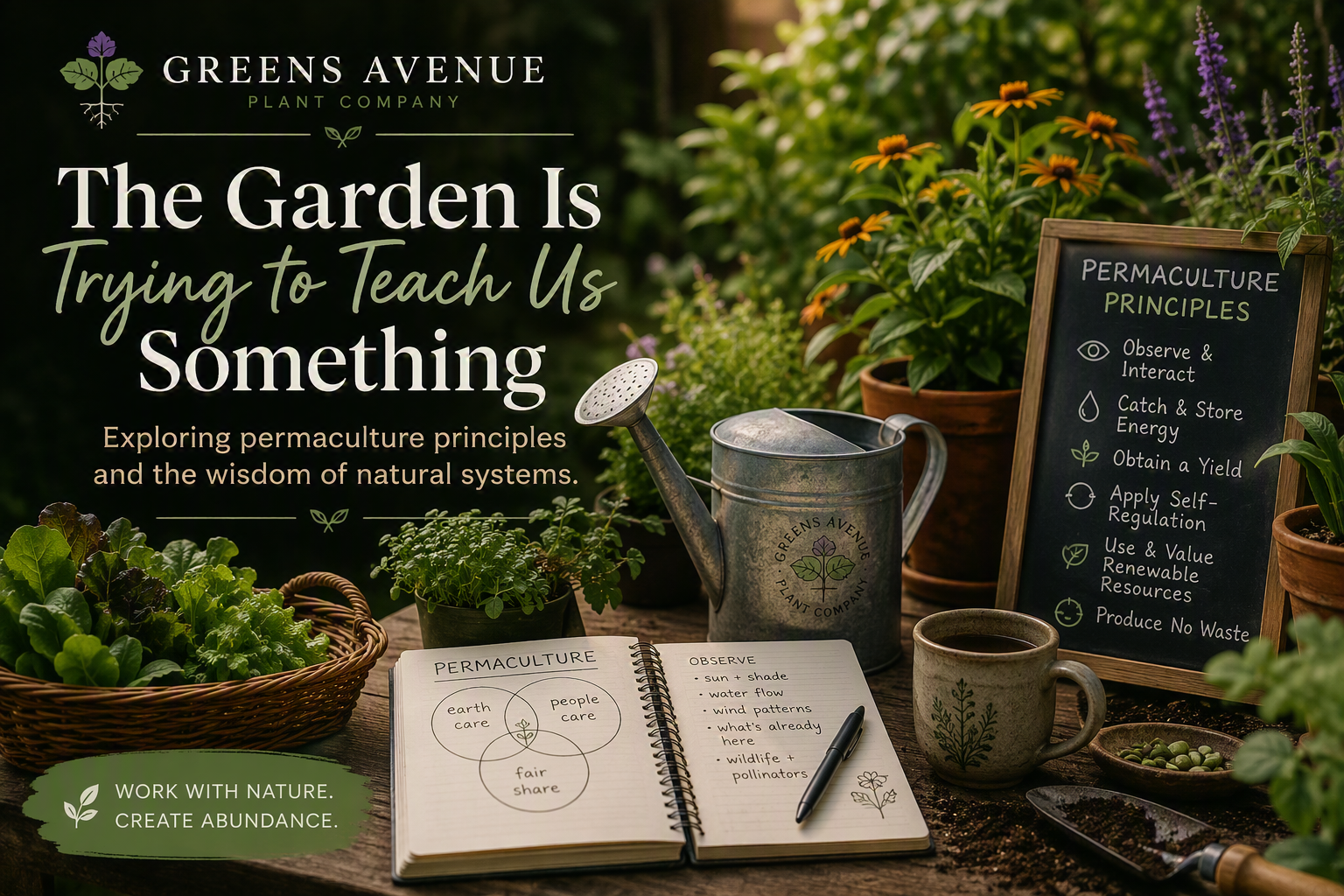
The Garden Is Trying To Teach Us Something
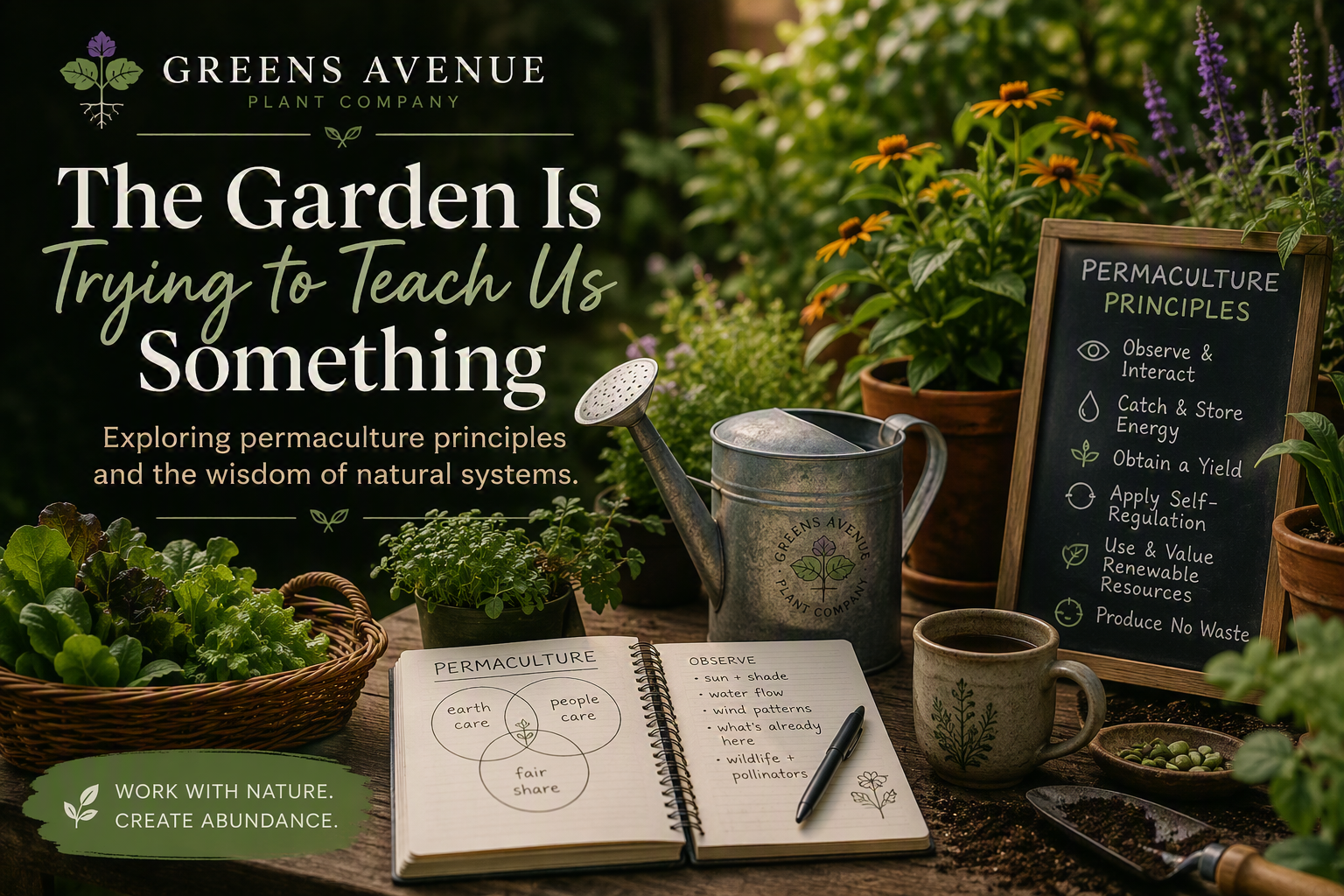
There is a moment that happens when you spend enough time around plants. It usually arrives quietly. One day you find yourself standing in the garden, coffee in hand, looking at a plant that has somehow managed to thrive despite being ignored for weeks. Nearby, another plant that received all the attention, fertilizers, and fussing seems determined to struggle. It's frustrating at first, but eventually a different thought begins to emerge: maybe nature knows something we don't.
Modern gardening often encourages us to think of ourselves as managers. We water, fertilize, prune, spray, amend, and intervene. When something isn't working, our instinct is often to do more. More water. More fertilizer. More products. More effort. Yet if you walk through a healthy forest, prairie, or meadow, you won't find anyone managing the ecosystem. No one is hauling away fallen leaves. No one is aerating the soil. No one is applying fertilizer every other week. Despite that, these environments remain some of the most productive and resilient growing systems on Earth.
This observation is one of the ideas that drew me toward permaculture.
Permaculture is often described as a design philosophy, but at its heart it feels more like a different way of seeing the world. Rather than asking, "How can I make this grow?" permaculture asks, "What is already happening here, and how can I work with it?" It encourages observation before action and cooperation instead of control. The goal is not to force nature into submission but to understand the relationships that already exist and use them to create healthier, more resilient systems.
One of the most fascinating things about nature is that nothing is truly wasted. In a forest, fallen leaves become mulch. Mulch becomes soil. Soil feeds plants. Plants feed insects, birds, and wildlife. When those organisms die, they return nutrients back to the system. Everything has a purpose. Everything is connected.
Compare that to the way many of us garden. We bag up leaves and send them to the landfill. We remove plant debris that could have protected the soil. We buy fertilizers to replace nutrients that were discarded. We spend money solving problems that natural systems solved long ago.
The more I learn about ecological gardening and permaculture, the more I notice these patterns everywhere. A pile of leaves no longer looks like yard waste. It looks like future soil. A patch of clover isn't necessarily a weed. It might be protecting bare ground, attracting pollinators, and improving soil health. Even something as simple as observing where rainwater naturally flows across a property can reveal opportunities to conserve water instead of constantly fighting against drought.
Living in Colorado has made these lessons particularly relevant. Gardening here requires a certain level of humility. We deal with intense sunlight, dry conditions, unpredictable weather, heavy clay soils, and rapid temperature swings. It can feel like the environment is working against us. But permaculture encourages a different perspective. Instead of asking how to overcome these conditions, it asks how we can design with them.
Maybe a dry area isn't a problem to solve but an opportunity to grow plants adapted to drought. Maybe a slope isn't an inconvenience but a place where water can be slowed, captured, and used more effectively. Maybe the solution isn't adding more inputs but paying closer attention to what the landscape is already communicating.
What surprises many people is that permaculture isn't reserved for farms or large rural properties. You don't need acreage to apply these ideas. You can practice permaculture from an apartment balcony, a small suburban yard, or even inside your home.
Houseplants offer a perfect example of this. Every indoor plant exists within a tiny ecosystem. Light, humidity, soil composition, watering habits, airflow, and temperature all interact with one another. Success often depends less on strict schedules and more on understanding relationships. The healthiest houseplant owners are often not the people with the most complicated routines. They're the people who spend time observing. They notice when leaves begin to droop. They learn how sunlight moves through their home during different seasons. They understand that a plant growing naturally and steadily is usually healthier than one being constantly manipulated.
That idea of observation may be the most valuable lesson nature has to offer.
In a culture that rewards speed and immediate results, observation feels surprisingly difficult. We want answers, schedules, and quick fixes. But natural systems don't operate on our timelines. Soil takes time to build. Trees take time to mature. Pollinator populations take time to establish. Healthy ecosystems develop through countless interactions happening over months, years, and decades.
A gardener who spends time simply watching often learns more than a gardener who immediately reaches for a solution.
Watch where water pools after a storm. Notice which plants thrive with little intervention. Observe where butterflies spend their time. Pay attention to the areas of your garden that seem to flourish naturally. Nature is constantly offering information. We just have to slow down enough to notice it.
At Greens Avenue, I've always believed plants can teach us something if we're willing to listen. What started as a love for houseplants has gradually expanded into a fascination with ecology, food systems, soil health, beneficial insects, and the interconnected relationships that allow entire ecosystems to function. The more I learn, the more I realize how much there is to discover.
Over the coming months, you'll likely see more content exploring topics like regenerative gardening, pollinator habitats, edible landscapes, companion planting, soil biology, water conservation, and practical ways to work with nature rather than against it. These concepts aren't about perfection. They're about building a deeper understanding of how living systems function and finding ways to bring those lessons into our gardens, homes, and communities.
Because ultimately, that's what permaculture is teaching me.
The garden is not something separate from nature. It is nature.
And every season, every plant, every insect, and every handful of soil has a story to tell.
Sometimes the most productive thing we can do isn't work harder.
Sometimes it's simply to pay attention.
Greens Avenue Plant Company believes gardening should be both beautiful and thoughtful. Whether you're growing houseplants on a windowsill, harvesting herbs from a patio container, or dreaming about a backyard food forest, every plant is an opportunity to learn a little more about the natural world around us. 🌿
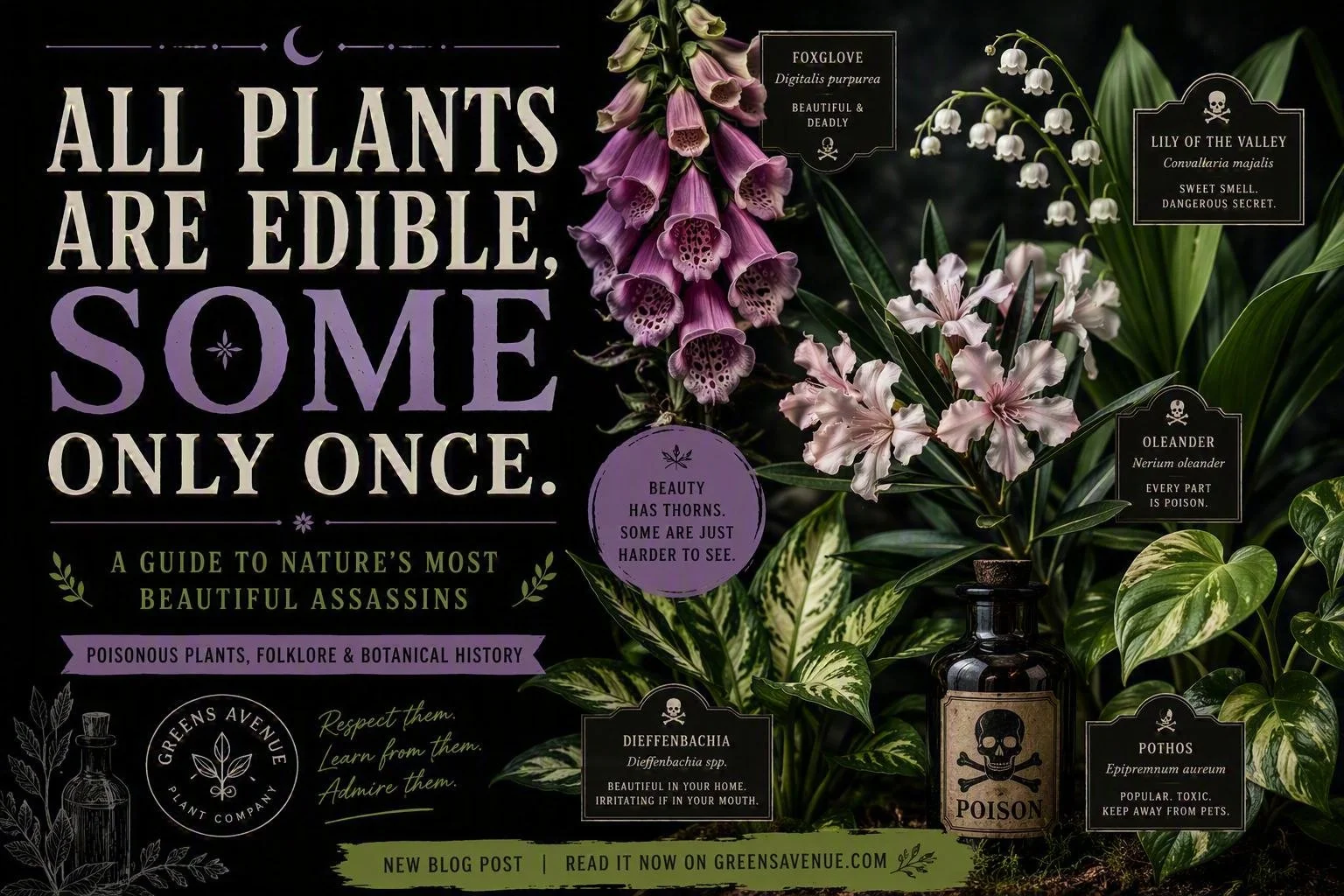
All Plants Are Edible, Some Only Once
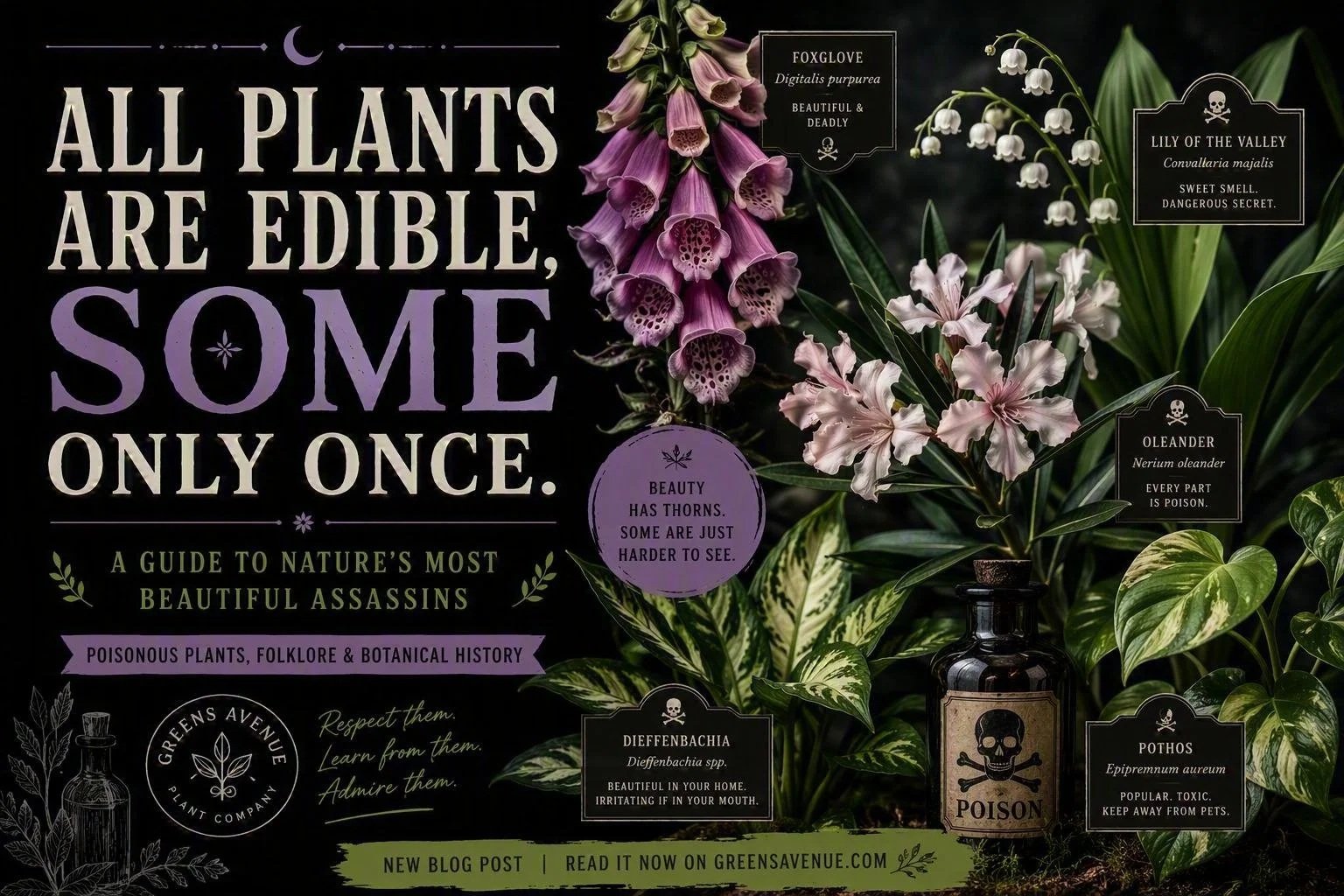
An introduction to some of nature's most beautiful assassins.
If you've spent any amount of time around plant people, you've probably heard the old joke:
"All plants are edible. Some plants are only edible once."
As it turns out, many of our favorite houseplants, garden flowers, and landscape plants are also mildly—or extremely—toxic. While plants may seem peaceful, they've spent millions of years evolving defenses against hungry animals, insects, fungi, and unfortunately, occasionally curious humans.
The fascinating truth is that some of the most beautiful plants in the world are also among the most dangerous. Fortunately, most of the plants you'll encounter aren't waiting to kill you, but understanding their history and toxicity can make you appreciate them even more.
Let's meet some of the botanical world's most notorious residents.
Foxglove: The Witch's Bell
With towering spikes of pink, purple, and white flowers, foxglove looks like it belongs in a fairy tale.
In many ways, it does.
Historically associated with folklore, witches, and woodland spirits, foxglove has been used medicinally for centuries. The plant contains compounds that ultimately led to the development of modern heart medications.
The catch?
The line between medicine and poison is incredibly thin.
Even small amounts of foxglove can cause serious heart complications if ingested. Despite its reputation, it remains one of the most breathtaking cottage garden flowers you can grow.
Beauty and danger often share the same garden bed.
Lily of the Valley: Tiny Flowers, Big Consequences
Lily of the Valley produces tiny white bell-shaped flowers and one of the most pleasant fragrances in the plant kingdom.
It also contains compounds capable of affecting the heart.
Many gardeners are surprised to learn that this sweet woodland favorite is considered toxic if consumed. Every part of the plant contains potentially harmful compounds.
The lesson?
Just because something smells like heaven doesn't mean it belongs in your tea.
Oleander: The Killer Shrub
Oleander may be one of the most dangerous ornamental plants commonly grown around homes and businesses. [dengarden.com], [farmersalmanac.com]
It's drought tolerant, covered in beautiful flowers, and widely planted throughout warmer climates.
Nearly every part of the plant contains toxic compounds capable of causing severe illness. [dengarden.com], [farmersalmanac.com]
Yet people continue growing it because, frankly, it's gorgeous.
Nature rarely asks us to choose between attractive and dangerous.
The Houseplants Hiding In Plain Sight
Many common houseplants contain compounds that can irritate the mouth, skin, or digestive system if chewed. Species such as Dieffenbachia, Pothos, Philodendron, ZZ Plants, and Peace Lilies are popular indoor plants despite their toxic properties. [bhg.com], [completega...dening.com], [livetoplant.com]
Don't panic.
For most adults, accidentally brushing against these plants isn't a major concern. Problems usually arise when pets or small children decide to investigate them with their mouths. Many cause irritation rather than life-threatening poisoning, but they're still worth respecting. [ourhouseplants.com], [livetoplant.com]
It's one of the reasons responsible plant ownership means knowing what you're bringing into your home.
The Ancient Relationship Between Humans and Poisonous Plants
Long before pharmacies existed, plants served as medicine, food, dyes, perfumes—and poisons.
Many of the compounds that make certain plants dangerous evolved as defense mechanisms against predators and disease. Scientists believe these toxins help plants avoid being eaten and protect themselves from damage. [ourhouseplants.com], [livetoplant.com]
Ironically, humans eventually learned how to harness many of these same chemicals for beneficial purposes.
Some of history's most important medicines have roots in plants that could be deadly when used incorrectly.
Nature has always been both healer and executioner.
Respect, Don't Fear
The goal isn't to be afraid of plants.
Quite the opposite.
Learning about toxic plants often deepens our appreciation for them. Understanding why a plant evolved certain traits or how it was used historically transforms it from decoration into a living story.
The Monstera in your living room. The foxglove in a cottage garden. The lily blooming on a woodland path.
Each carries millions of years of evolutionary history and a few secrets of its own.
Most plants are perfectly safe to enjoy when grown responsibly and handled with common sense.
But the next time someone asks whether a plant is edible, remember the oldest joke in horticulture:
All plants are edible. Some are only edible once.
Mycelium-Infused Soil is a Game Changer for Rare Houseplants
Discover the Benefits of Mycelium-Infused Soil for Rare Houseplants
At Greens Avenue Plant Company, we specialize in rare houseplants and mycorrhizal soil systems, including our specially formulated LifeSource Smart Soil. This innovative soil blend is infused with mycelium, a powerful fungal network that works symbiotically with plant roots to enhance nutrient absorption, improve water retention, and boost disease resistance. For plant lovers in drier climates, LifeSource Smart Soil offers an eco-friendly way to recreate the natural ecosystems rare plants need to thrive indoors. Give your plants the best care with mycelium-infused soil and watch them flourish!
Why Mycelium-Infused Soil is a Game Changer for Rare Houseplants
As a houseplant enthusiast, you already know that rare plants require specialized care to thrive. One of the best-kept secrets in plant care is mycelium-infused soil, and it’s transforming the way plants grow, especially in drier climates. At Greens Avenue Plant Company, we specialize in rare houseplants and **mycorrhizal soil systems**, including our specially formulated LifeSource Smart Soil which is designed to support houseplants in challenging, dry environments.
What is Mycelium?
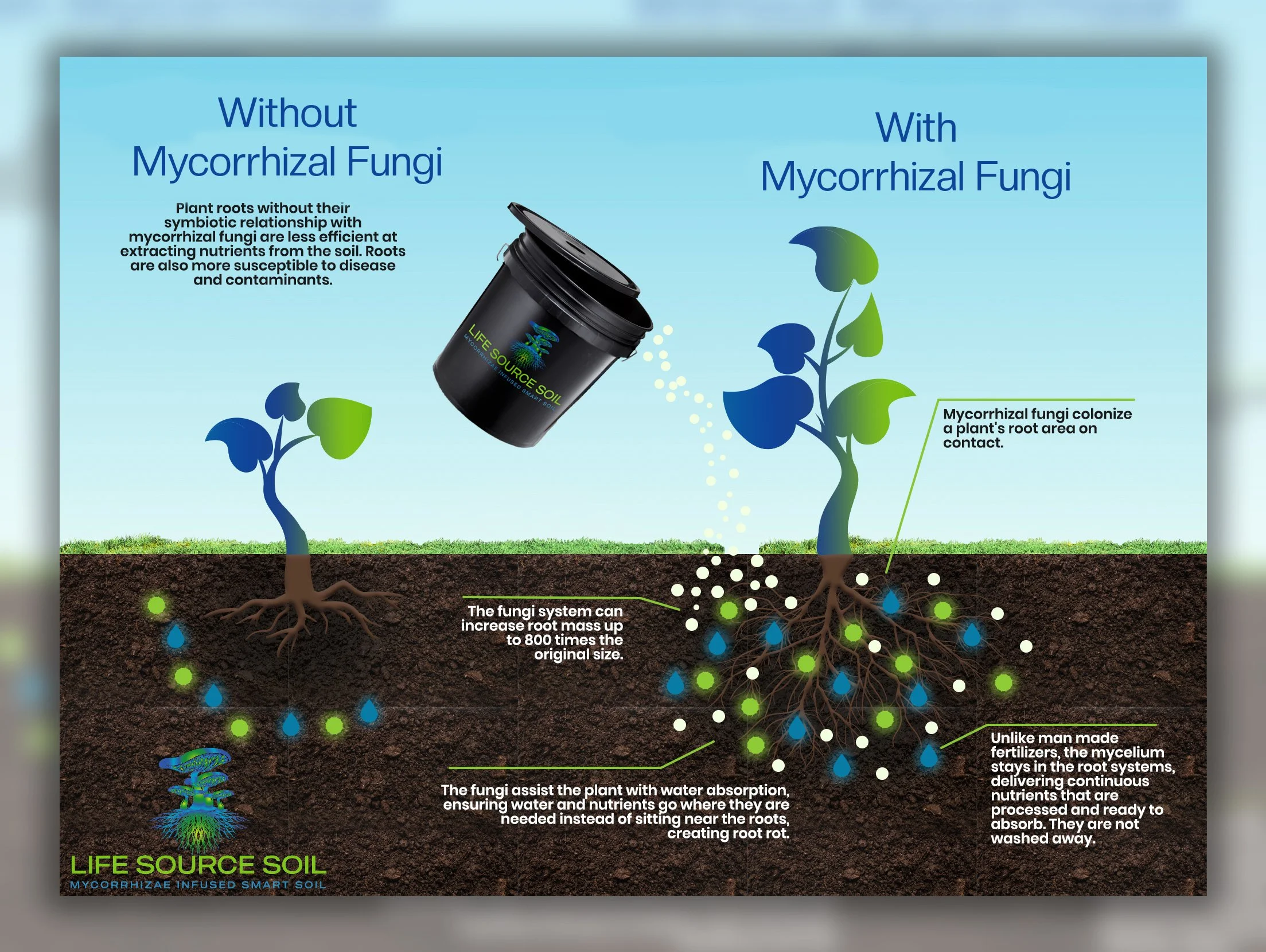
Mycelium is a network of fungal threads living beneath the soil. It plays an essential role in plant ecosystems, forming symbiotic relationships with roots called mycorrhizae. Mycelium helps plants absorb water and nutrients more efficiently, creating stronger, healthier growth.
Why Mycelium Matters for Rare Houseplants
Rare houseplants often have specific needs, and replicating their native environment indoors can be difficult. This is where mycelium-infused soil, like our LifeSource Soil, comes in. Here’s why it’s beneficial:
1. Boosted Nutrient Absorption
Rare plants can be more delicate, requiring specific nutrients in the right balance. Mycelium acts as an extension of the root system, pulling in hard-to-reach nutrients like phosphorus and nitrogen. This promotes more vigorous growth and healthier plants, especially for those with niche needs.
2. Water Efficiency for Drier Climates
Many rare plants thrive in drier climates but struggle with inconsistent watering indoors. Our LifeSource Soil retains moisture efficiently without becoming waterlogged, thanks to the mycelium, which helps distribute water evenly around the roots. This is particularly beneficial for plants that prefer balanced moisture levels while reducing the risk of overwatering and root rot.
3. Enhanced Disease Resistance
Mycelium forms a protective barrier around roots, outcompeting harmful pathogens and bolstering the plant's immune system. Rare plants grown in mycelium-infused soil are more resistant to root diseases and pests.
4. Mimicking Natural Ecosystems
Many rare houseplants come from specific environments where mycorrhizal fungi play a vital role. Using mycelium-infused soil, like our LifeSource Smart Soil, recreates part of their natural ecosystem, making it easier for the plants to adjust and thrive indoors, particularly in drier climates like Denver.
5. Sustainable Growing Solution
Mycelium-infused soil is an eco-friendly option. It reduces the need for synthetic fertilizers and pesticides, making it a more sustainable way to care for your rare plants. LifeSource Soil is formulated with sustainability in mind, giving you a green and effective way to keep your plants thriving.
How to Use Mycelium-Infused Soil for Your Rare Plants
At Greens Avenue Plant Company, we’re passionate about creating the perfect growing environment for rare houseplants. We recommend using LifeSource Smart Soil whenever you repot your plants, especially for those in drier climates. Here’s how to make the most of it:
Repot your plants into LifeSource Smart Soil, making sure the roots make direct contact with the soil to establish a strong mycorrhizal relationship.
Monitor your watering. The soil’s excellent moisture retention reduces the need for frequent watering.
Use organic fertilizers to maintain a healthy soil environment and protect the mycelium.
Why Choose LifeSource Smart Soil?
For rare houseplant collectors, every detail counts. LifeSource Soil, available exclusively at Greens Avenue Plant Company, is designed to meet the needs of houseplants in drier climates like Denver’s. With its blend of mycelium-infused components, it helps your plants not just survive, but thrive in less-than-ideal indoor conditions.
By choosing LifeSource Soil, you’re giving your plants the best chance at long-term health, ensuring they remain vibrant, resilient, and beautiful—no matter where you’re growing them.


2023 top 3 Houseplant Trends
Remember when the Fiddle Leaf Fig was the plant to have? Or how about the Monstera obsession? We do. All of our homes are currently full of these green beauties, and we love them just as much as day one. But the new year is approaching with new plant trends. New year, new plants they say! With 2023 right around the corner, it is time to clear some space for these trending plants of the new year
Black Velvet Alocasia
Already one of my favorites and a top seller of Greens Avenue Plant Company, the Black Velvet Alocasia comes in at number one for houseplant trends of 2023.

This plant is a wonderful option for the lower light areas in your home. The dark, velvety leaves of this plant thrive in moderate to bright, indirect light conditions and are generally low maintenance.
Bird Of Paradise Tree
With houseplants quickly becoming a staple of interior design, there is no better piece of living art to put in your home than a tree-like plant.
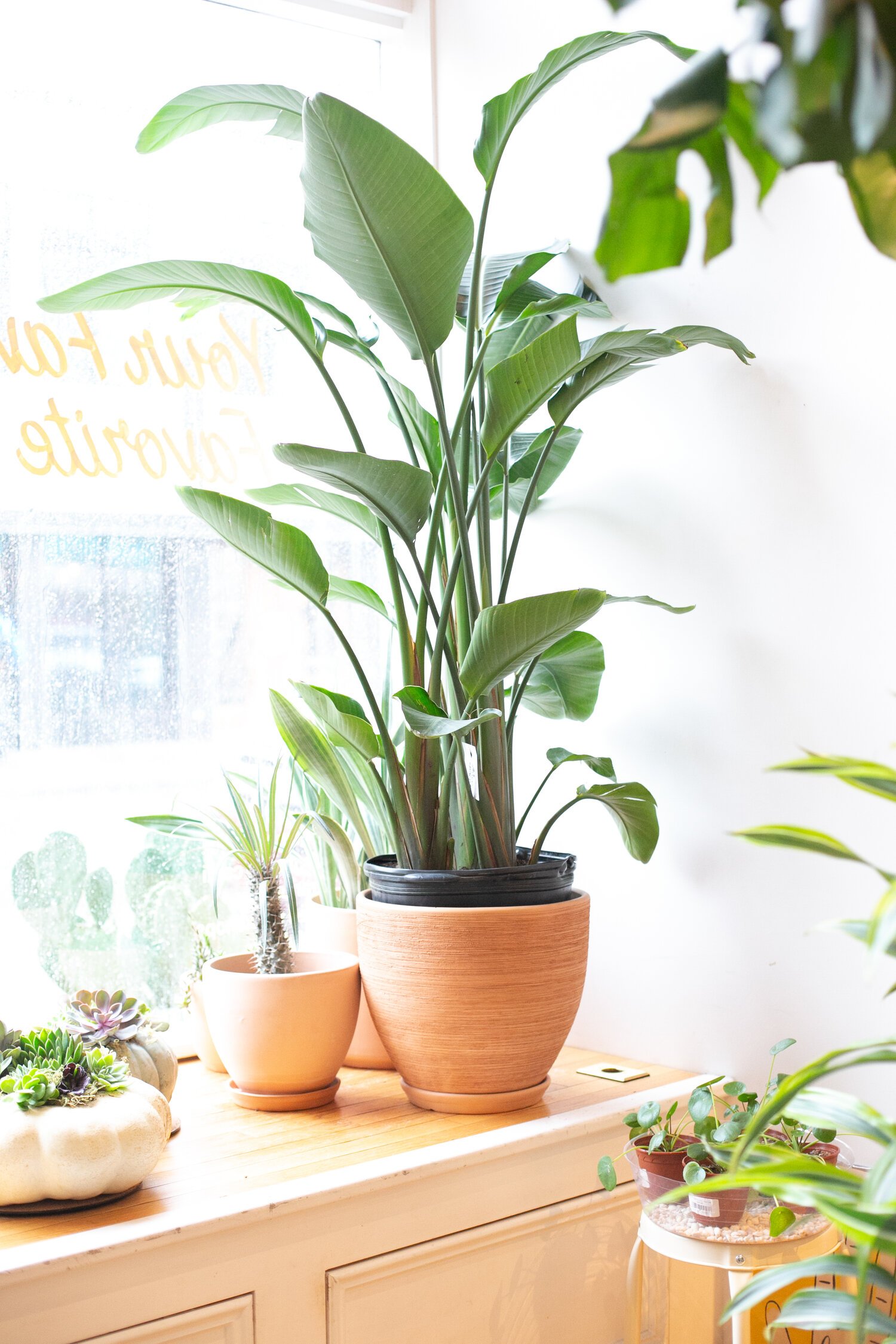
With heights of over 6 feet tall, this plant prefers bright indirect light. Direct lighting is also good for placement, as long as it is a few feet away from the light source. These trendy plants are very low maintenance and do well in most environments.
Cat Palm
Known for being resilient and hardy, the Cat Palm Plant is an ideal plant for both indoor and outdoor keeping.
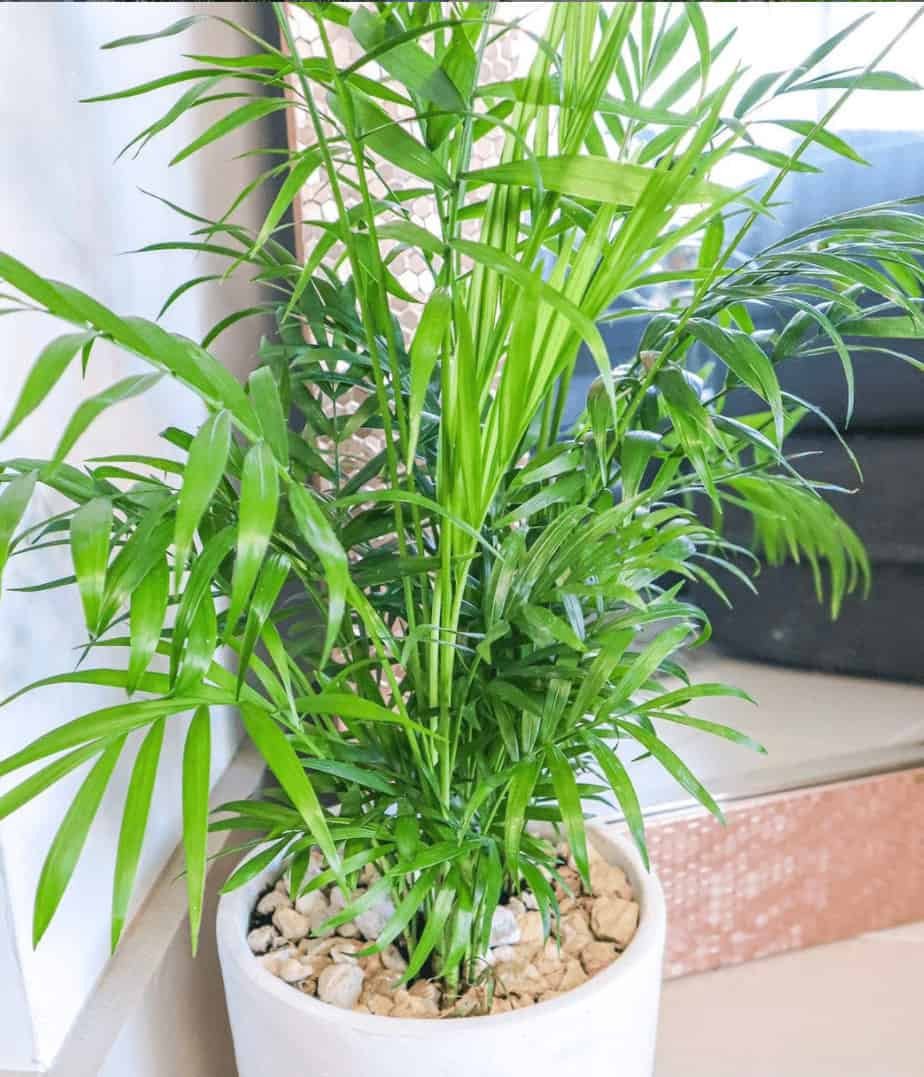
This plant can survive dramatic shifts in both lighting and temperature, making it an ideal choice for plant lovers who have a busy lifestyle. Bright, indirect lighting and watering when it is 50% is all this plant needs to thrive in your home.
Your Favorite
All three of these plants make a wonderful addition to any home. All are low maintenance and are starting to become very popular choices for plant lovers. Which one is your favorite?

Winterizing Your Houseplants
Tips on winterizing your houseplants from Greens Avenue Plant Company.

If you’re anything like me, you love spring through the early parts of fall. Your plants are lush and thriving. They are pushing out new beautiful new leafs and they are displaying healthy signs of growth. It’s also a time to enjoy pruning and re-potting. All of that comes to a screeching halt once November rolls around and many of our plants become dormant. At that point, it feels like you’re basically tending to the soil. But all of our efforts throughout the winter is what will give us an exciting and fulfilling spring and summer. Below are some small things to do to keep yourself busy and your plants happy.
Placement

If you are cold next to your windows, so are your plants! Especially your tropical plants who love full sun when it’s warm out. Even if you insulate your windows, it’s best to move your plants to a warmer, more temperature stable place in your home.
Lighting

Even though many plants go dormant (slow growth), and some even go into complete hibernation (no growth), it is important to supplement lighting during the short winter days. Artificial plant lighting also give you more versatility on where to keep your plants. You can set up plants in any room of your home, even windowless rooms and they will still thrive.
Insulation

I personally love to add mulch to my indoor plants, and my outdoor garden. Pine bark helps to prevent against gnats, and acts as a cat and critter deterrent. Mulch serves as insulated shady covering for potting soil stopping plant roots from overheating during the summer. Mulch also helps insulate roots during winter months. Plus it looks really nice and adds a nice visual consistency both indoors and out. Whatever substrate you decide to go with to insulate during the winter, pack it as close to the base as possible, while making sure to leave an inch or two of non covered soil around the outer edge of your plant. With less water evaporation in the winter, too much mulch will cause too much moisture retention in your plant and could cause your roots to rot.
In addition to the tips above, remember to save the fertilizing for the spring and summer months. You can also place your plants closer together so they can generate some of their own warmth. And do not panic if you are noticing leaf drop! Just as the trees lose leaves in the Fall, your plants will also push off leaves that are consuming too much energy, or are dying. But always remember, your plants are making room for bountiful growth that you will see during the Spring time.
May you have a peaceful and restful Winter.
The Variegated Monstera

The Basics In Caring For Your Variegated Monstera Plants!
Once you’ve discovered beautiful Monstera plants and think they can’t get any better, you come across the variegated varieties and are blown away by their color variations. Variegated monsteras have the same shape and form you know and love, but they are often seen with white, light green, and sometimes yellow variegations. The Variegated Monstera plants have require care practices similar to the well known green Monstera deliciosa plants. But, they are a bit more sensitive and they do require more light. The variegated varieties are pretty rare, but with some serious searching, or luck, you can find and add one of these beautiful plants to your collection.
Variegated Monstera Plants – The Basics
The Variegation you see in Monstera plants is caused by a genetic mutation. This special mutation prohibits the plant’s cells from producing chlorophyll, which results in discoloration in the tissue. Because they don’t have as much chlorophyll, they have a harder time taking in light. Variegated Monstera plants require at least six hours of bright yet indirect light each day. They need moderate humidity and an air temperature between 65-80ºF. Plant them in well-draining soil and water only when the top one to two inches of soil is dry.
Food
These plants aren’t heavy feeders, but they will benefit from regular doses of houseplant fertilizer. Apply a general houseplant fertilizer once a month in the late spring through early fall. You don’t need to fertilize outside of this time frame.
Repotting
Variegated Monsteras are slow growers, so you don’t need to repot them very often. If they do outgrow their current container, you can move them to a new container that is a few inches bigger than their current container.
Pruning
Monsteras are known for their growth. While the variegated varieties do grow slower than others, they can still become quite large.
You can prune away the leaves of your plant using a pair of sharp, sanitized shears. If you do prune, do so in such a way that you can propagate new plants from the material you cut away.
While plant care is often more involved than the steps listed above, it is important to note that you should not become overwhelmed by rare plants. They require all the love, water, and light as other plants. Sometimes just more or less.